Buying guide
Stoneware dinnerware: plates, mugs and care
Stoneware feels like stone and looks like warm, fired earth. A hand-glazed plate, a matte cup, a speckled butter dish: these are pieces you use every day, and they give real character to a simple table. Here is how to pick the right sizes, understand the finishes and keep your tableware looking good for years.
Stoneware, earthenware, porcelain: the difference
All three are ceramics: clay that is shaped and then fired. What sets them apart is mostly the type of clay and the firing temperature.
- Stoneware: fired at a high temperature, it becomes dense and barely porous. It is sturdy, pleasantly heavy in the hand, with a mineral look often left visible under the glaze or along the rim.
- Earthenware: fired lower, it stays porous under its glaze. It is lighter but chips more easily.
- Porcelain: very fine and white, almost translucent. Elegant, but more formal and less earthy than stoneware.
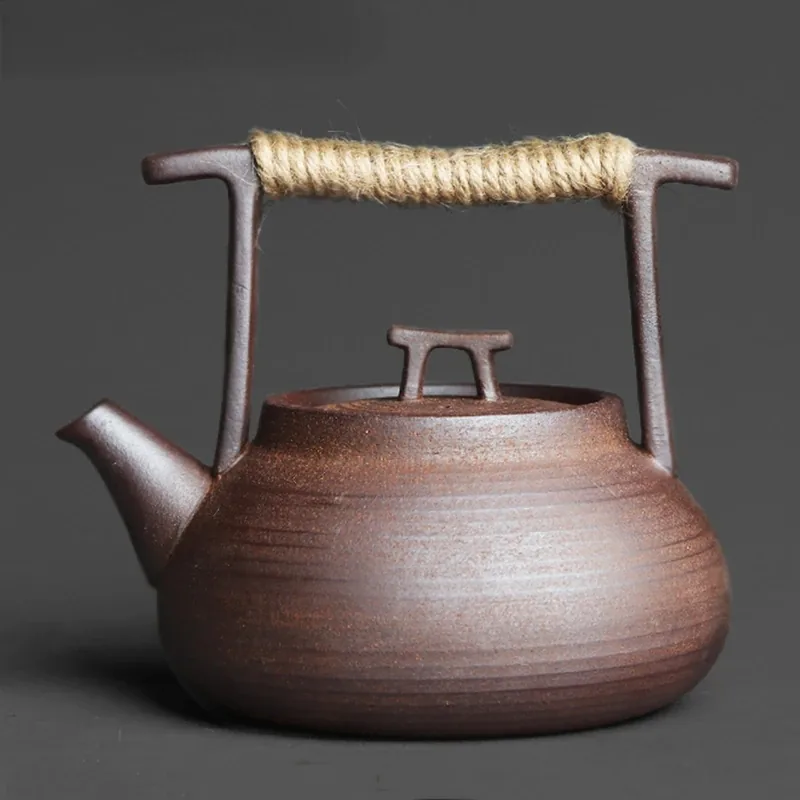
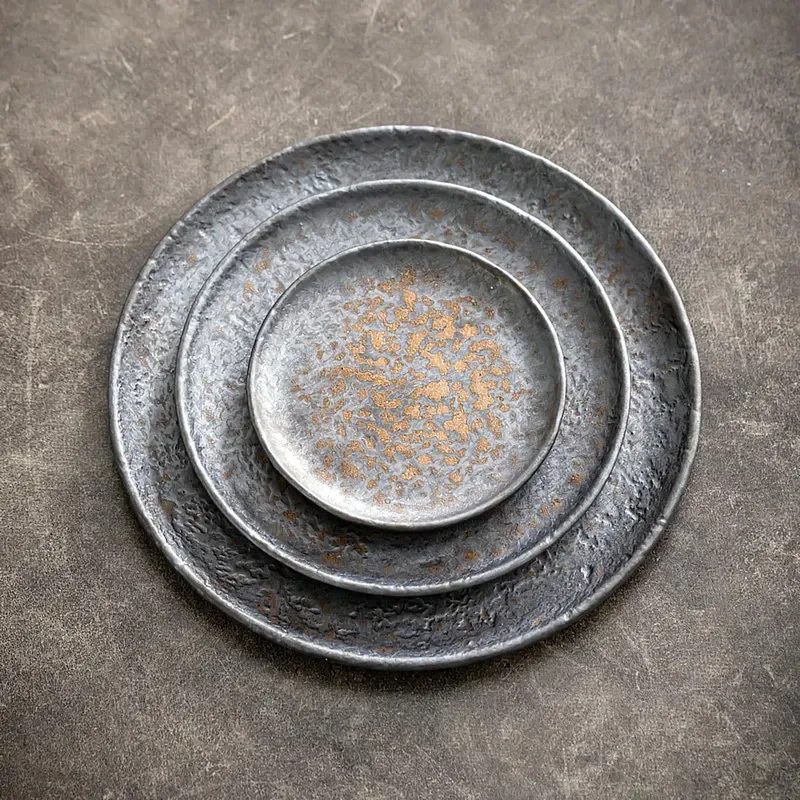
In our tableware range, some pieces are stoneware (the hammered stoneware plate, the handmade brick-red tableware, the speckled butter dish and the raw stoneware teapot), others are matte ceramic glazed by hand. They all share the same idea: a material you can see and feel.
Choosing your plates
The right diameter depends on what you serve. A simple rule of thumb:
- Around 26 cm: the dinner plate. The stone-effect plate comes in 26.5 cm, the pebble plate in 26 cm and the brick-red dinner plate in 26 cm.
- 20 to 22 cm: starters, desserts or breakfast. The hammered plate in 22 cm, the stone-effect plate in 21.5 cm, the pebble plate in 20.5 cm, plus a 21 cm pasta and soup plate in brick red.
- 12 to 17 cm: bread, cheese, small bites. The hammered plate also comes in 17 and 11.8 cm, the pebble plate in 16 cm.
- Bowls: the brick-red range includes a 12 cm bowl and a larger 18 cm bowl.
Plates are sold individually, so you can build a set by mixing sizes, or start with four dinner plates and add pieces over time.
Cups, mugs and a teapot
For coffee and tea, capacity matters more than shape:
- 110 ml: an espresso. That is the small matte ceramic cup and saucer, in white.
- 280 ml: a long coffee, a cappuccino or a cup of tea. Same design, in white or matte black.
- 500 ml: the big morning mug. Our ribbed ceramic mug, in cream or taupe, sits comfortably in the hand thanks to its texture.
The raw stoneware teapot holds about 350 ml, just right for tea for two. It is hand-thrown, its handle is wrapped in natural fibre and the filter is built into the spout, so there is no need for a strainer.
A ceramic butter dish
A covered butter dish keeps butter away from air and light while leaving it within reach on the table. Ours is made for a 250 g block (about 450 ml, 14.5 × 10.2 × 6.5 cm), with an easy-grip handled lid. It comes in speckled cream, stone grey or sand, three shades that sit well with white, matte black and earthy tones.
Matte, hammered, speckled: the finishes
- Matte: soft to the touch, with no shine. That is the finish of the pebble plate, the stone-effect plate, the cup and the mug. Matte black makes the colours of food stand out; matte white stays bright.
- Texture: ribs on the stone-effect plate and the mug, a hammered rim on the stoneware plate, irregular edges on the brick-red range. Texture catches the light and adds depth.
- Sheen: the hammered plate, in stone grey, has golden highlights.
- Speckles: small flecks in the glaze, different on every piece, as on the butter dish.
Hand-glazed and handmade pieces show slight variations in colour, texture or shape from one to the next. That is not a flaw: it is the mark of the maker’s hand, and it is what makes a table feel alive.
Setting a stoneware table
Stoneware loves natural materials around it. A washed-linen tablecloth or napkins soften the look (see our guide to linen table linen). Add a travertine tray in the centre, a few candle holders and a ceramic vase with dried stems, and the table is ready.
For a calm result, stick to two or three colours: matte white and stone grey, or matte black and brick red. In a Japandi or wabi-sabi home, irregular shapes and matte finishes feel right at home. Browse all our pieces for the dining room and the kitchen.
Everyday care
Each product page gives care details for that piece; here are the essentials:
- Dishwasher and microwave safe: the hammered stoneware plate, the stone-effect plate, the pebble plate, the cup and saucer and the mug.
- Dishwasher safe: the butter dish too.
- Hand wash: recommended for the brick-red range, to protect the glaze.
- The teapot: just rinse it with hot water, no detergent; no dishwasher and no direct flame.
- Avoid thermal shock: do not run a hot piece under cold water, or move it straight from the fridge to a heat source.
- Store with care: stack plates of the same size, and slip a napkin between matte pieces if needed to prevent rubbing.
Frequently asked questions
Is stoneware stronger than earthenware?
Generally, yes: fired at a higher temperature, it is denser and stands up better to daily use. It is still a ceramic, though, and a fall onto a tiled floor can chip it.
Can stoneware tableware go in the oven?
Our product pages do not mention oven use. Keep these pieces for serving, and for the dishwasher and microwave where the page says so.
Why are my plates not identical?
Because they are glazed or shaped by hand: colour, texture and shape vary slightly. That is the charm of handmade tableware.
What size should a dinner plate be?
Around 26 cm for a main course, and 20 to 22 cm for a starter or dessert.
Going further
Pieces to discover
Also worth exploring
Pieces in this guide
Hammered stoneware plate
From A$66.90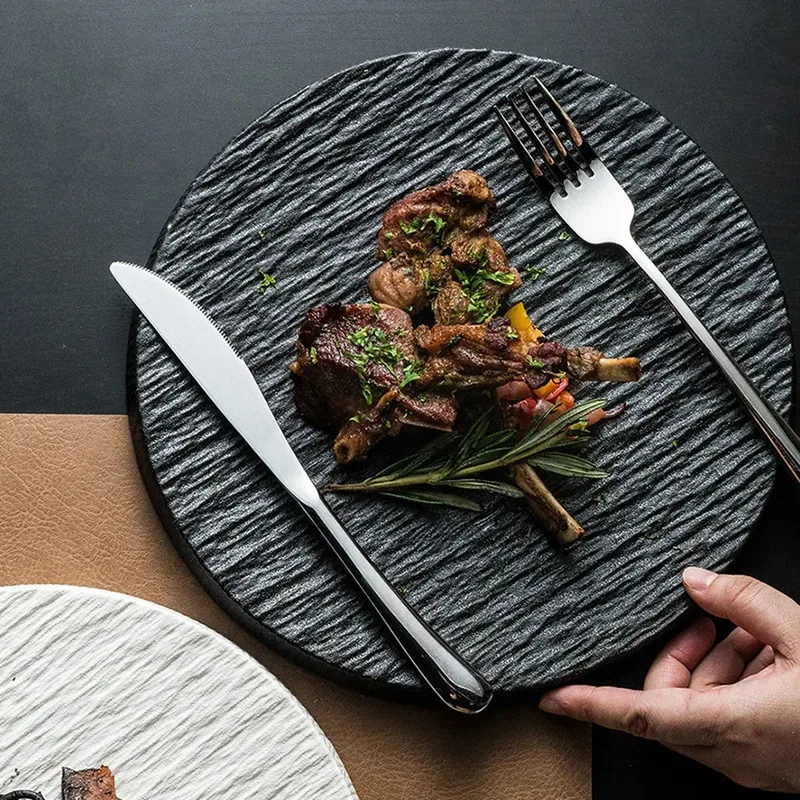
Stone-effect plate
From A$92.90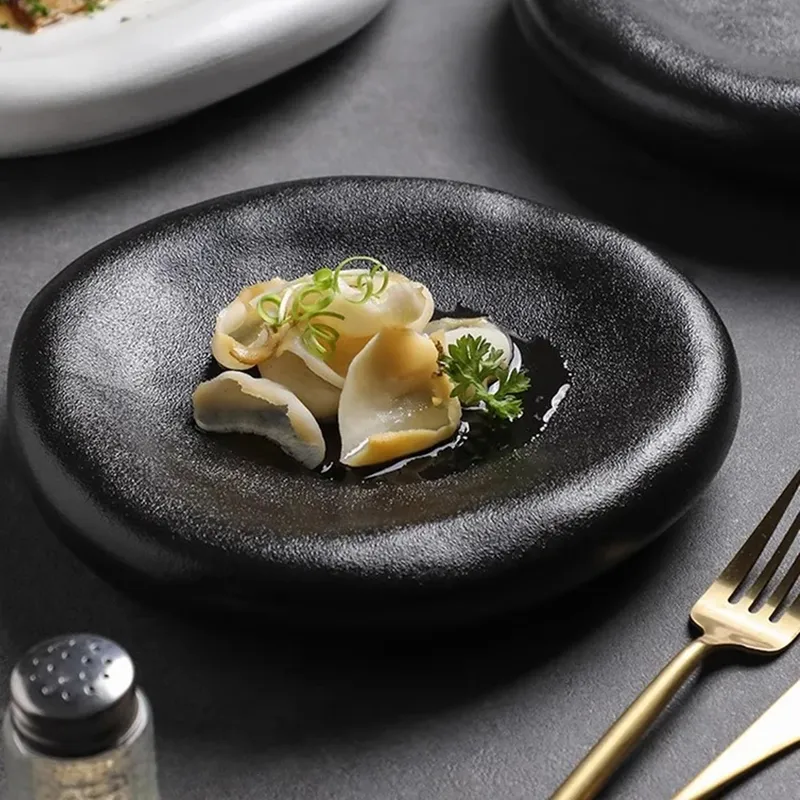
Matte ceramic pebble plate
From A$76.90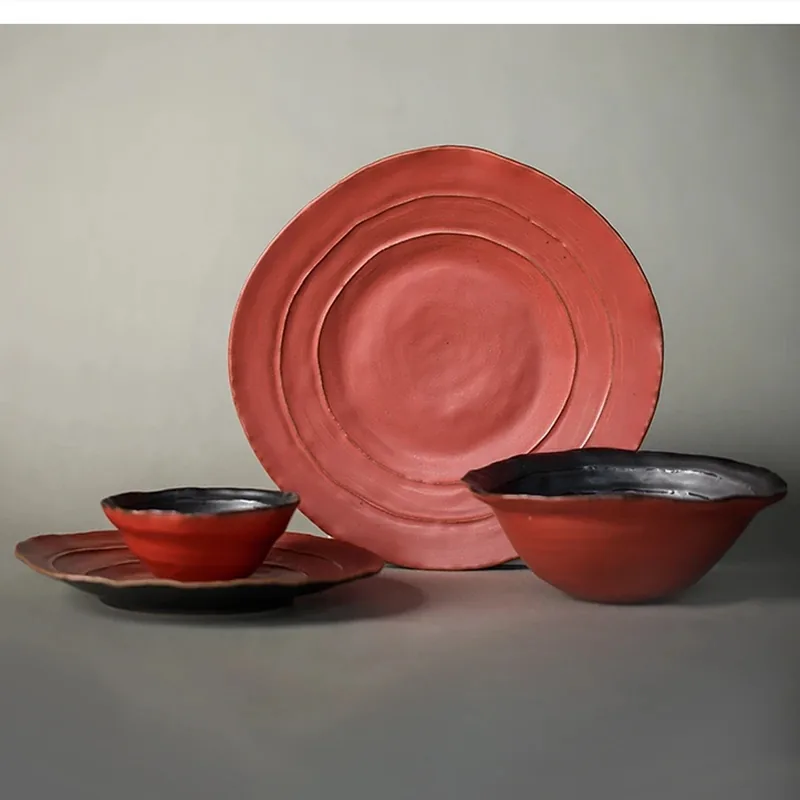
Handmade brick-red stoneware tableware
From A$90.90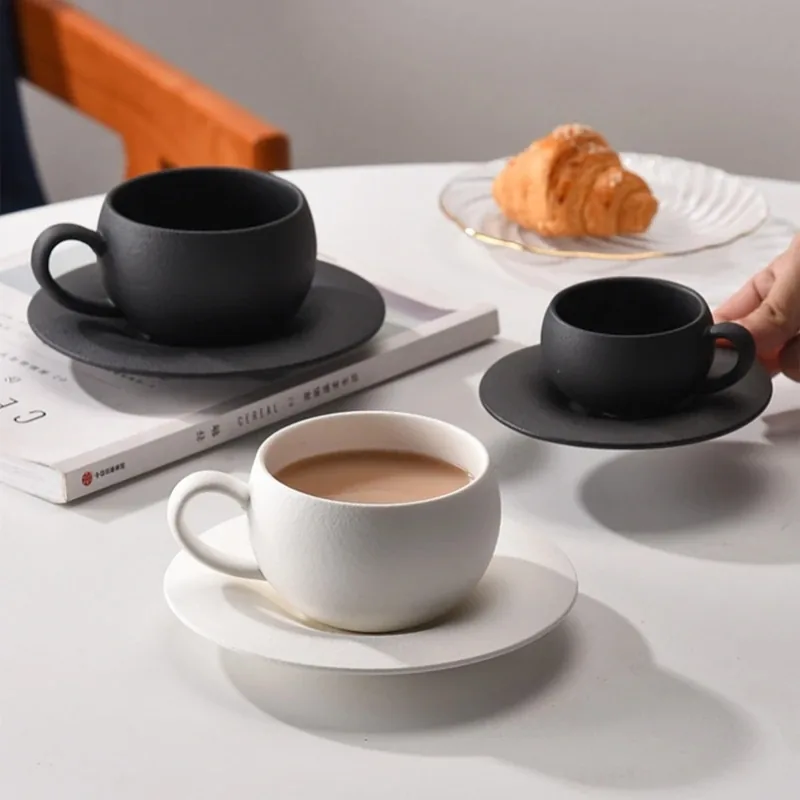
Matte ceramic cup and saucer
From A$61.90
Matte ribbed ceramic mug
From A$54.90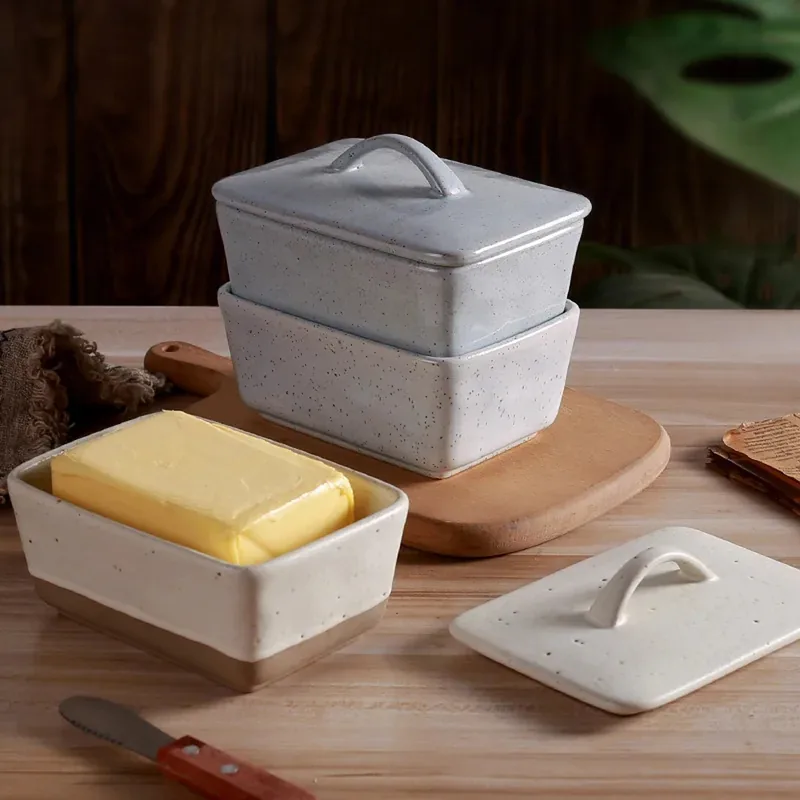
Speckled stoneware butter dish
A$75.90